

Key Takeaways
- TMJ affects your jaw joint and can cause pain, clicking, headaches, and trouble chewing.
- Stress and certain habits can trigger or worsen symptoms.
- Sleep-related airway issues may also contribute to clenching and grinding, which can place additional strain on the jaw joint.
- Mild cases may improve on their own, but ongoing symptoms benefit from professional care.
- Innovative wellness treatments such as EMFACE® TMJ and EmVITAL® may also help support relief from jaw tension and TMJ-related discomfort.
What TMJ Pain Does to Your Day
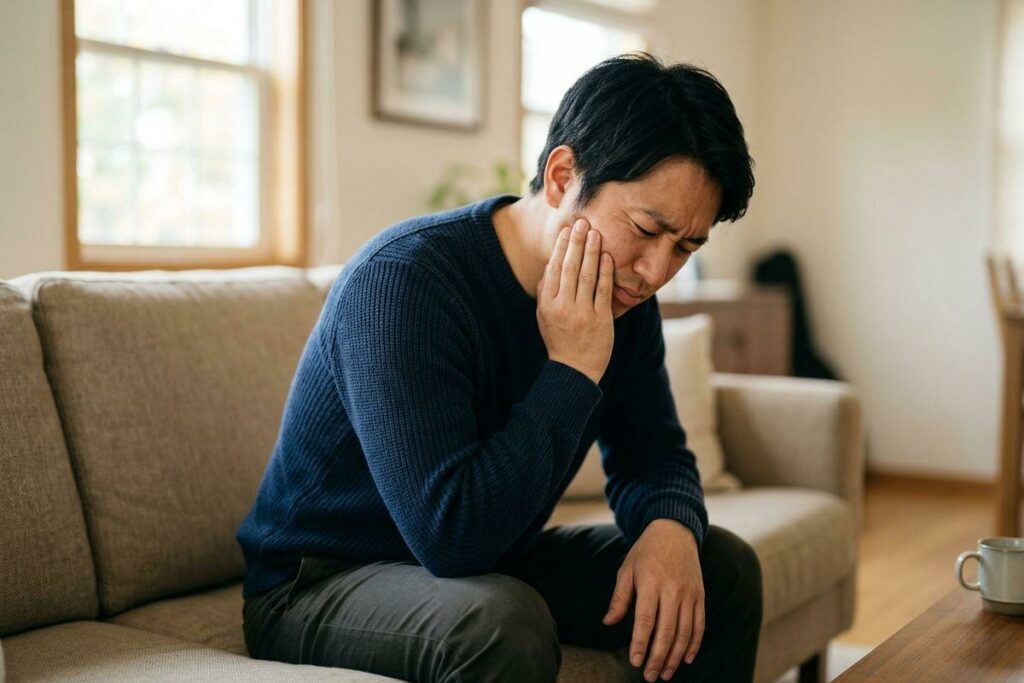
You wake up with a sore jaw, a nagging headache, or a clicking sound every time you open your mouth. Maybe chewing your breakfast feels more uncomfortable than it should. These are all potential signs that your temporomandibular joint, the hinge that connects your jaw to your skull, might be the source of your discomfort. At Hometown Dental, we understand how much that kind of daily discomfort can wear on you, which is why we’re here to help.
Treating TMJ discomfort often comes down to a mix of home care, changes to your habits, and, for more stubborn cases, help from a professional. The good news is that there are real, practical steps that you can take to find relief.
What TMJ Actually Feels Like
TMJ symptoms can show up in ways you might not always connect to your jaw. Here’s what to look out for:
- Jaw pain, clicking, or locking when you open your mouth
- Headaches, earaches, or soreness around the face
- Trouble chewing or fully opening your jaw
These symptoms can come and go or stick around for weeks at a time. Noticing the pattern helps you and our team figure out the best path forward. If jaw pain has also been triggering tooth discomfort, it helps to understand how TMJ can cause tooth pain, so you know what you’re dealing with.
What Causes a TMJ Flare-Up
Everyday Habits That Make It Worse
Some habits put a lot of pressure on your jaw. Teeth grinding or clenching, especially at night, is one of the most common culprits. Chewing gum throughout the day or biting your nails can also keep your jaw muscles tense and overworked.
Small changes to your habits can also make a noticeable difference. Even just cutting back on gum can give your jaw a much-needed break. Bruxism, or teeth grinding, is also closely linked to TMJ and is worth dealing with if it affects you.
The Connection Between Sleep, Airway Health & TMJ
Many people don’t realize that nighttime clenching and grinding can sometimes be linked to underlying airway or breathing issues during sleep. When the body struggles to maintain an open airway, the jaw and surrounding muscles may tense or shift in an effort to help keep the airway open. Over time, this can contribute to teeth grinding, jaw muscle fatigue, and TMJ discomfort.
If you regularly wake up with jaw pain, headaches, worn teeth, or signs of grinding, it may be worth exploring whether airway-related factors are playing a role. Addressing the underlying cause, and not just the symptoms, can be an important step toward long-term relief.
Stress & Jaw Tension
When stress levels rise, your jaw muscles often tighten up without you noticing. You might clench your teeth during a tough workday or while scrolling through your phone before bed. Over time, that constant tension can trigger a flare-up or make existing soreness worse.

Paying attention to how your jaw feels during stressful moments can help you make adjustments before the discomfort builds. In fact, stress management is one of the key factors in keeping TMJ symptoms under control.
Simple Things You Can Do at Home
Heat & Ice for Quick Relief
For sharp, sudden pain, an ice pack wrapped in a cloth and held against your jaw for about 10 minutes can help reduce inflammation. If you’re experiencing a constant dull ache, a warm, moist cloth pressed gently against the area can relax tight muscles. Switching between the 2 is also an option if your symptoms feel mixed.
Jaw Exercises That Actually Help
Gentle jaw exercises can ease muscle tension and improve how well your jaw moves. Here are a few simple ones to try:
- Relaxed jaw stretches where you let your teeth slightly apart, and your jaw go loose
- Side-to-side and chin tuck movements to keep the joint mobile
- Pressing lightly under your chin to produce gentle resistance as you open your mouth
These exercises take only a few minutes a day, but can offer real relief.
Diet & Daily Habit Adjustments
During a flare-up, soft foods give your jaw a chance to rest. Think yogurt, scrambled eggs, mashed potatoes, and smoothies. Cutting food into smaller pieces also helps take the strain off your jaw joint. Sticky, chewy, or hard foods like bagels, caramel, or raw carrots are worth skipping until the soreness settles down.
Can TMJ Go Away on Its Own?
For some people, mild TMJ symptoms do resolve with rest and a few habit changes. If your discomfort is occasional and manageable, it makes sense to continue with what works. However, if your symptoms keep coming back or feel like they’re getting harder to manage, that’s a signal worth paying attention to.
Getting ahead of the problem early can make treatment simpler and more effective. On the other hand, waiting too long can sometimes allow your discomfort to grow into a larger problem. While some TMJ cases resolve on their own, chronic symptoms benefit from professional evaluation and care.
How a Dentist in Okotoks Can Help
Mouth Guards & Oral Splints
A custom-fit mouth guard or oral splint is one of the most common and practical tools that our dentists at Hometown Dental can offer for TMJ. This device sits over your teeth and takes the pressure off your jaw joint, especially if you grind or clench your teeth at night. Unlike store-bought options, a custom device fits your mouth properly and tends to feel much more comfortable to wear. You can learn more about custom mouth guard options that are available to protect your jaw and teeth.
Professional Treatment Options
For cases that don’t respond to home care, our team can explore other options. These can include a referral to a physical therapist who focuses on jaw muscles, or in-office procedures like injections for persistent tension and pain.
Advanced TMJ Support Through Our Wellness Clinic
In addition to traditional TMJ treatments, wellness-focused therapies may help reduce jaw tension and improve comfort. Treatments such as EMFACE® use advanced technology designed to target the muscles involved in jaw function, helping to relieve tension without surgery or downtime.
Some patients may also benefit from EmVITAL®, a wellness treatment that supports muscle stimulation and overall muscular health. When combined with a comprehensive TMJ assessment, these therapies can become part of a personalized approach to managing jaw discomfort and improving quality of life.
If you’re experiencing chronic jaw tension, headaches, facial pain, or symptoms related to grinding and clenching, our team can help determine whether these wellness therapies may be appropriate for your needs.
At Hometown Dental, our team is here to help you find a treatment path that fits your life. Reach out and book an appointment today.